

UV radiometer UVpad: The flat, spectrally measuring UV radiometer
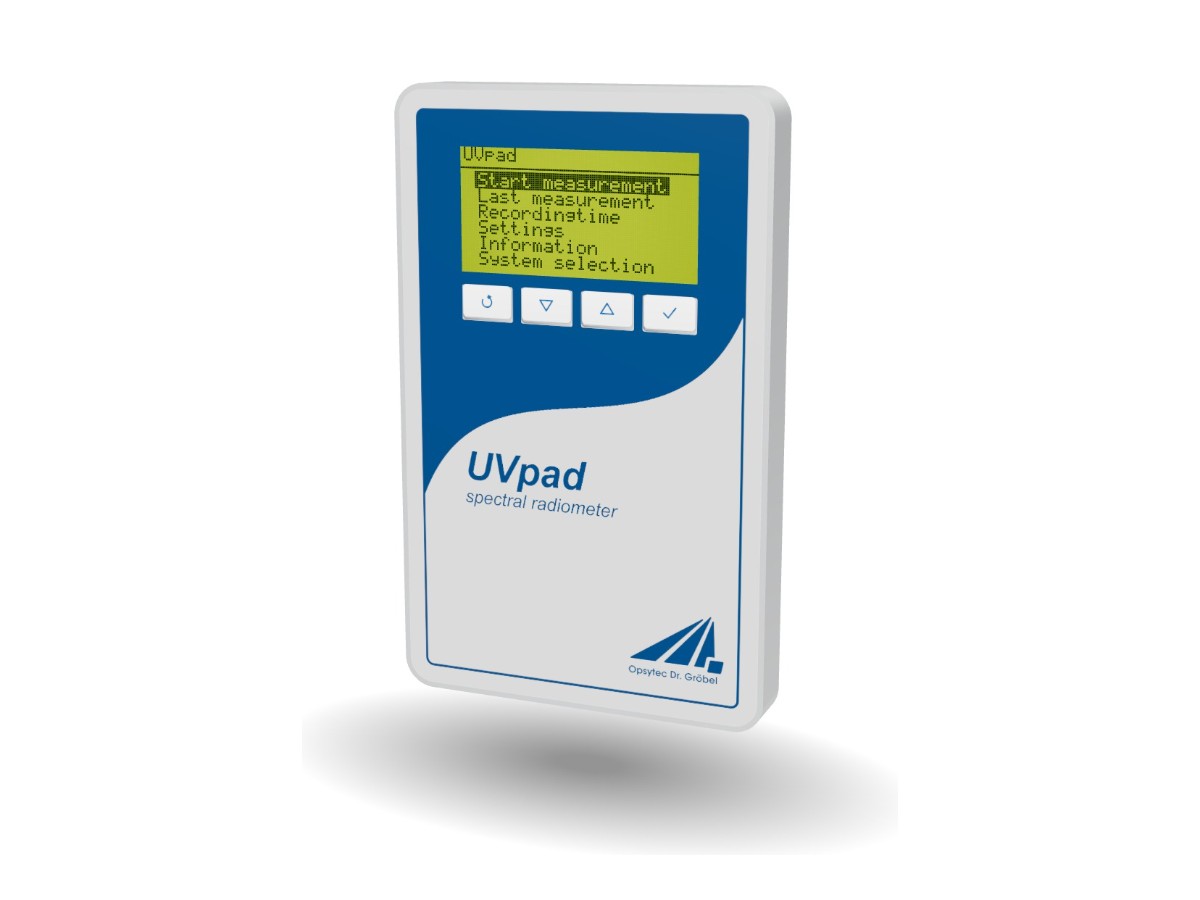
The UVpad is an autonomous, spectrally measuring UV radiometer for UV belt systems. It resolves the radiation from 200 to 440 nm ± 5 nm at a spectral bandwidth of 2 nm and measures irradiances from 2 to 5000 mW/cm², optionally 25 to 35,000 mW/cm². Because it works without optical filters, different lamp types and UV LEDs can be compared directly; at a height of 14.4 mm it travels through the system.
The UVpad is the world‘s thinnest autonomous spectrally resolving UV radiometer. It combines scientific measurement technology with a compact and user-friendly instrument. With its innovative measuring principle, it doesn't use optical filters.
UV light is spectrally detected and analyzed in the UVpad. Thus, measurements are traceable to national standards. Since it works without a filter, it is particularly suitable for the measurement and comparison of different lamps.
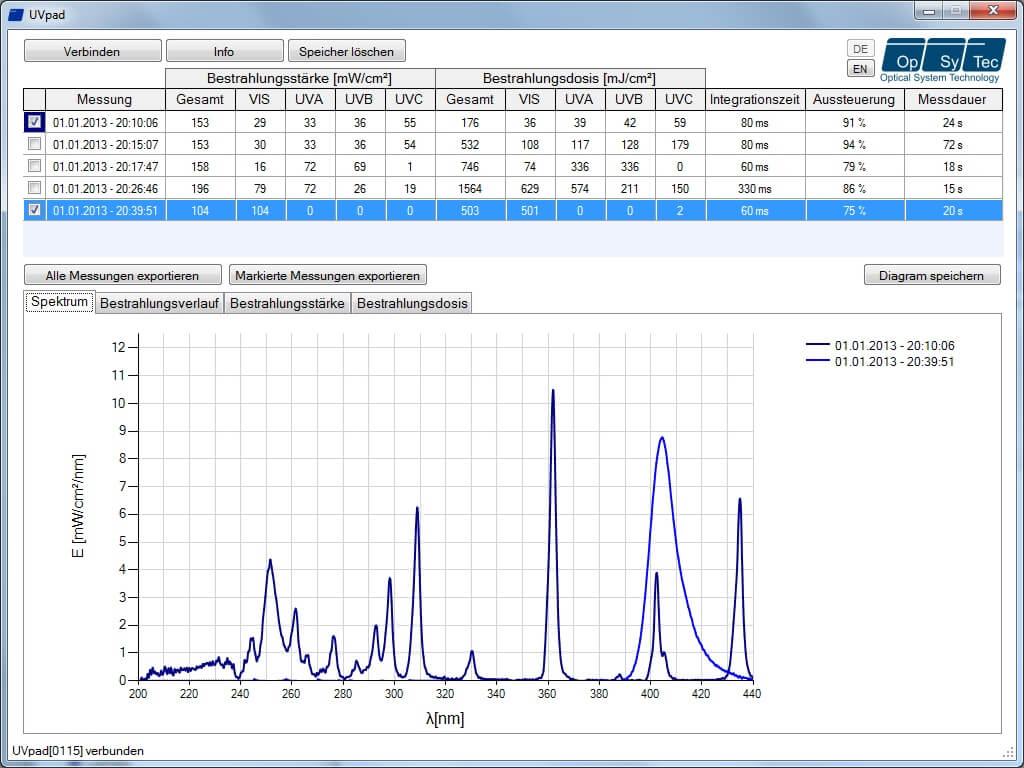
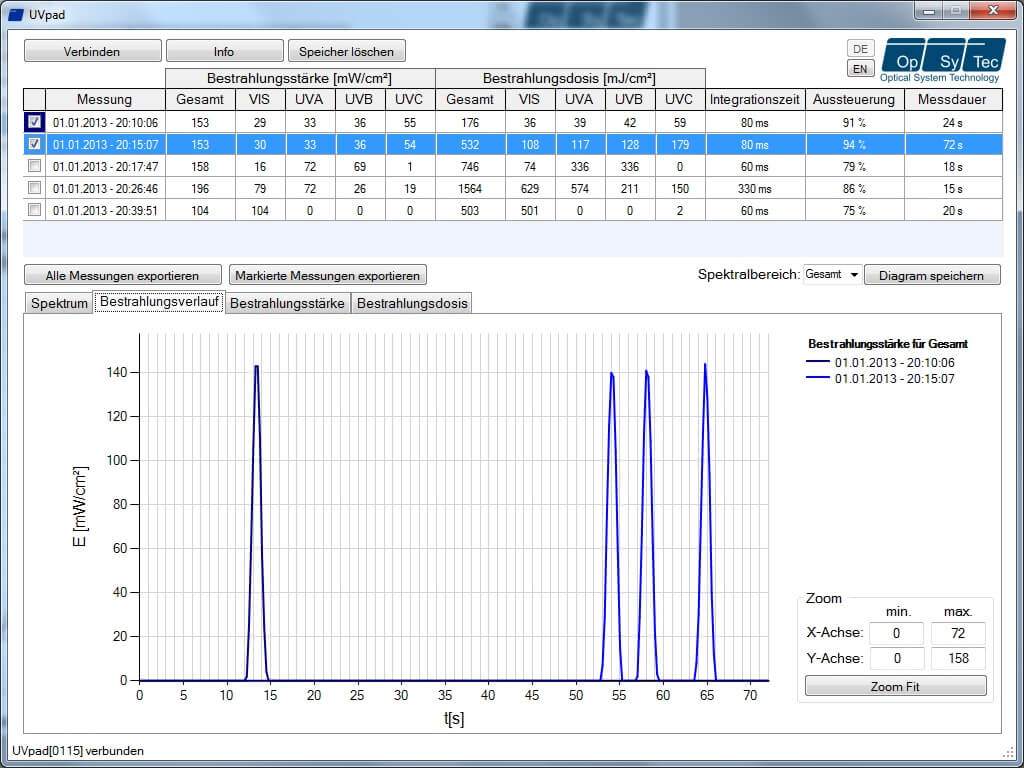
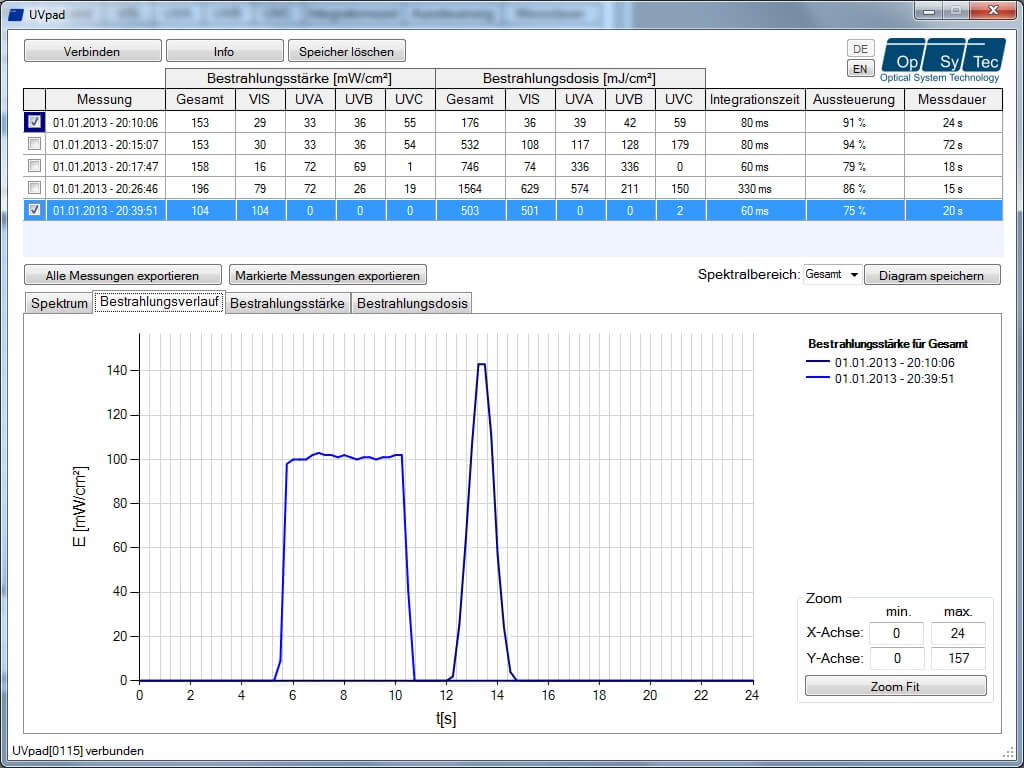
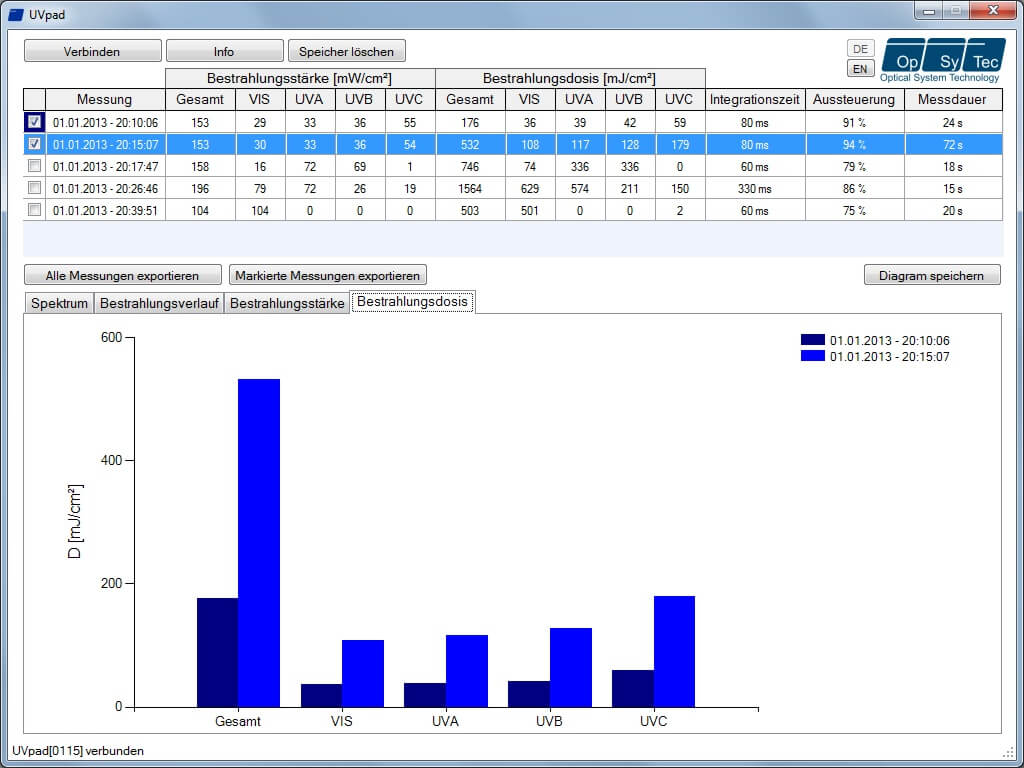
All measurement data are displayed on the device immediately; 50 measurements are stored in the UVpad and can be read via USB. The supplied PC software evaluates the irradiance intensity profiles measured separately for UVA, UVB, UVC, and VIS. Spectrum and measurement data can be exported and saved.
Optionally, UV systems can be optimized due to saved operating functions such as, for example, the absorption spectra of photoinitiators. Thus, the operating costs can be reduced and the product quality can be ensured.
Notes for spectroradiometer and broadband radiometer
Broadband and spectral radiometers are used in UV measurement technology to monitor lamp performance. However, broadband radiometers are calibrated to only one lamp type and differ in their sensitivity to each other. This makes comparisons between the measurements of different manufacturers and comparisons between systems with different lamps (e.g., Hg, Ga, Fe) or UV LEDs impossible. In contrast, by means of spectral radiometers, all UV lamps can be measured.
For example, as doped radiation sources age, the spectrum changes. UV systems and aging of the radiation sources can be conveniently monitored and documented with the UVpad.
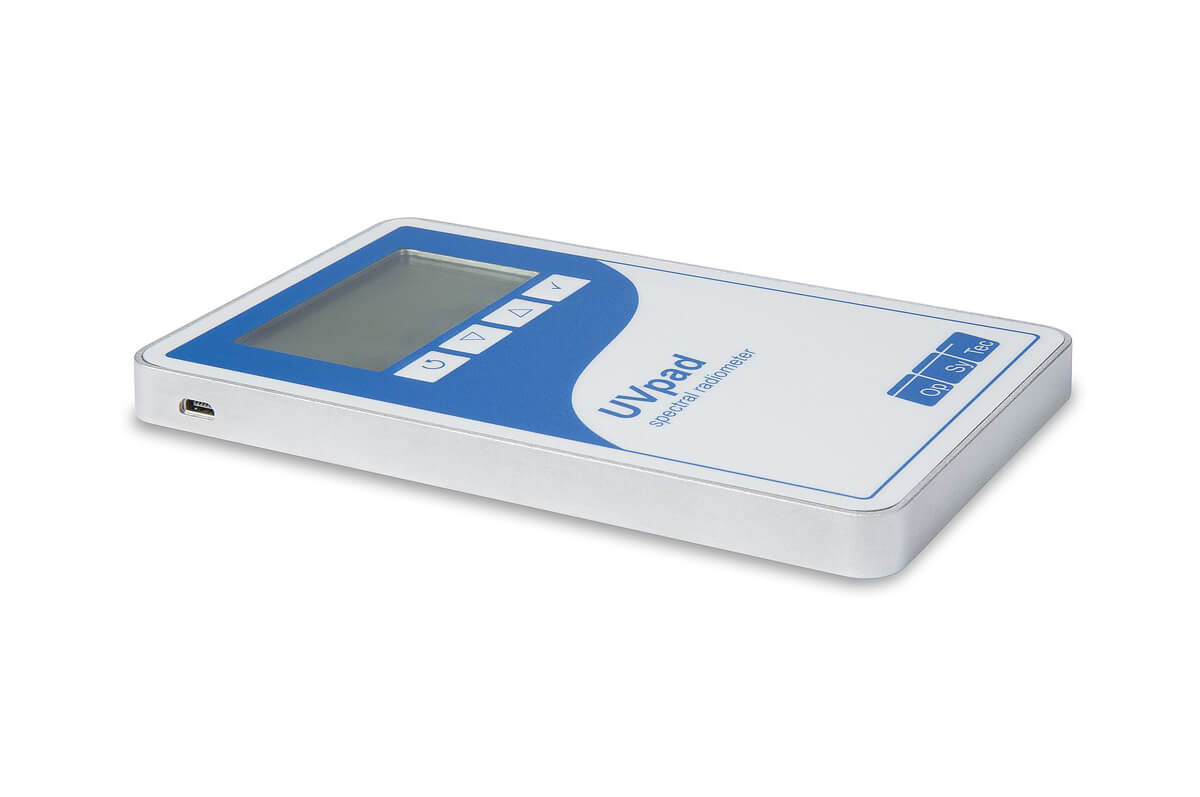
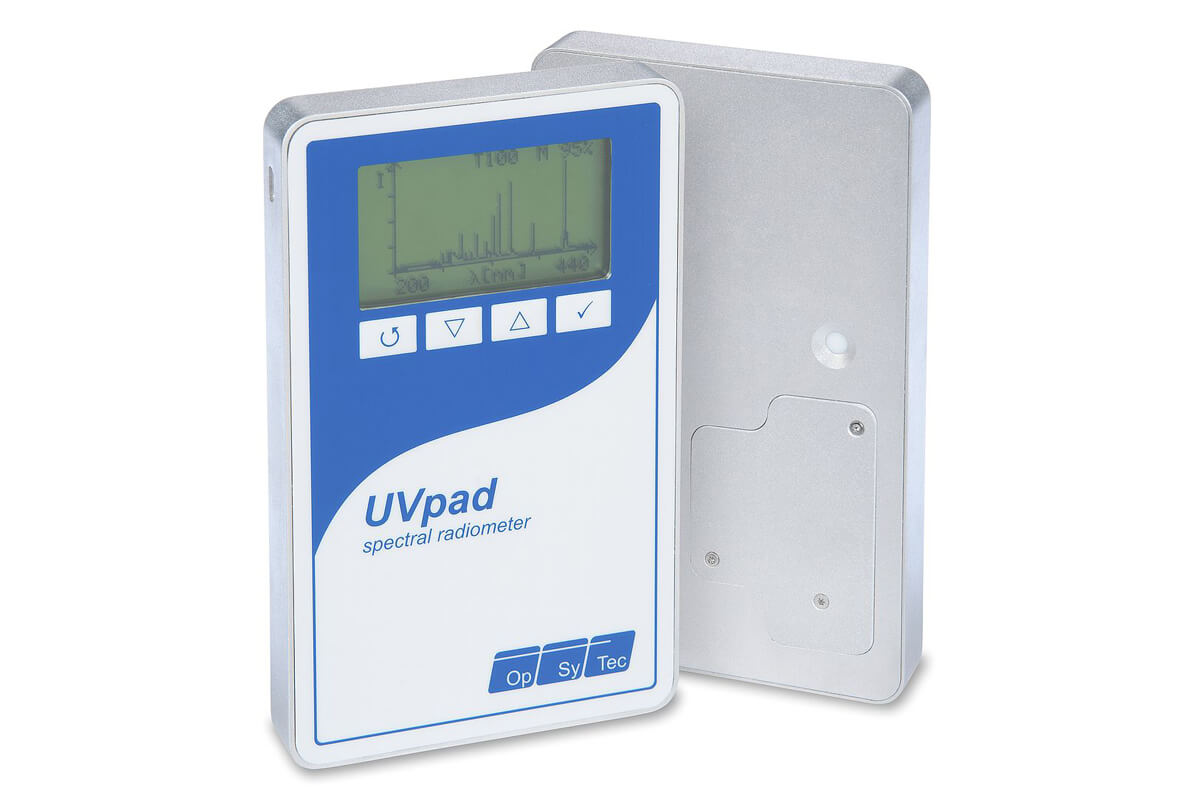
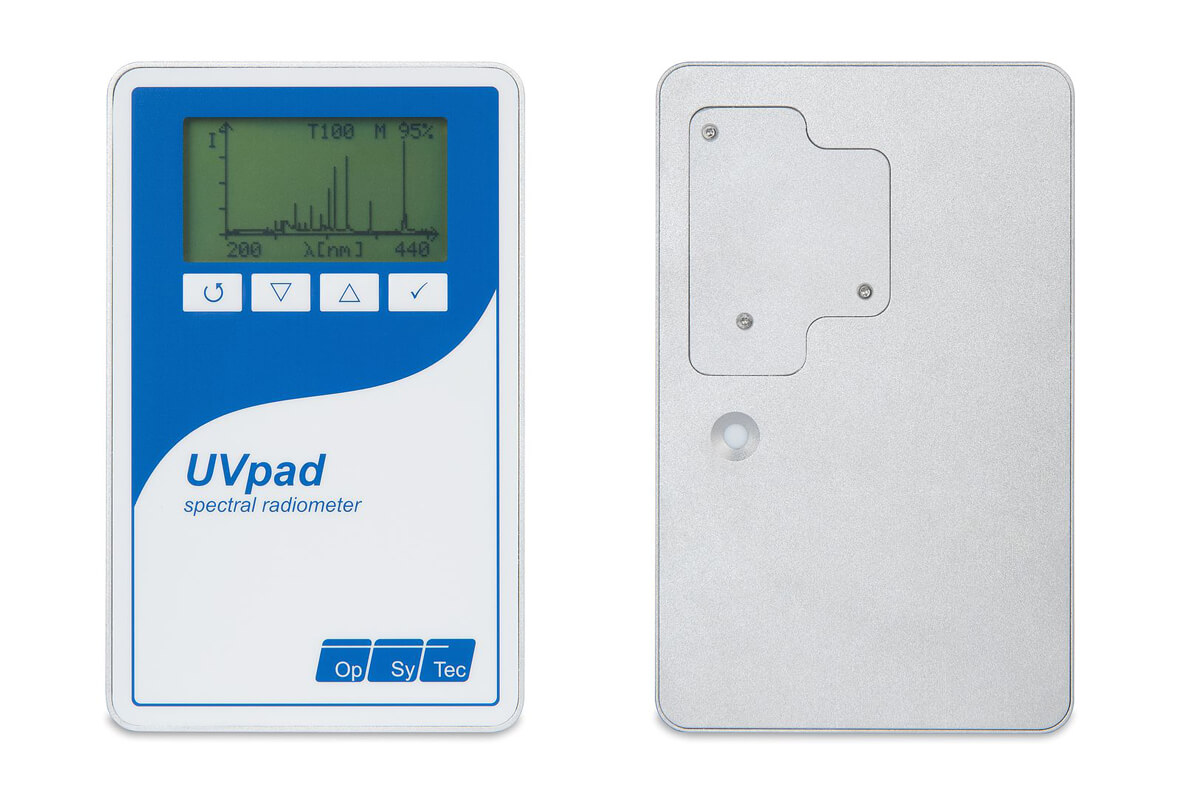
Highlights of spectral UV radiometer
- Spectral radiometric measurements without a PC
- 200 - 440 nm (total UV spectral range)
- 512 photo diodes
- Battery operated
- Height only 14.4 mm
- USB for data export
- Internal memory for 50 measurements
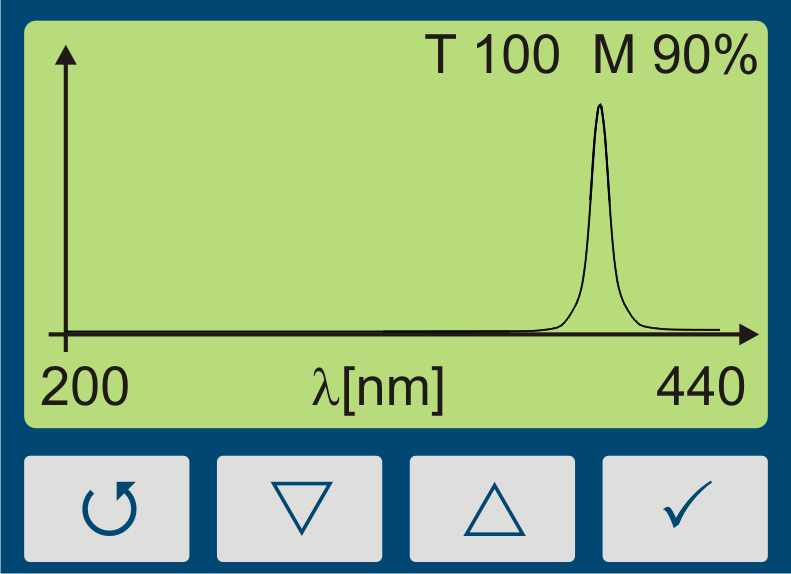
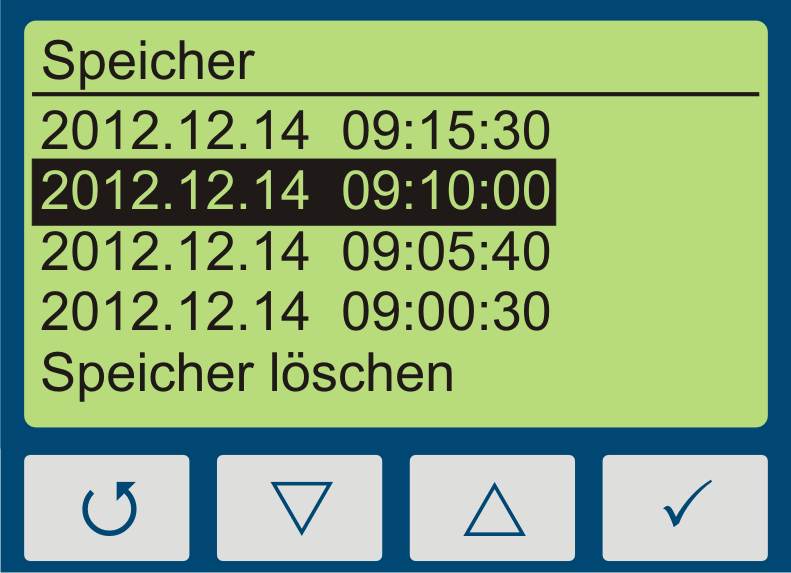

Experience the UVpad as an interactive 3D model
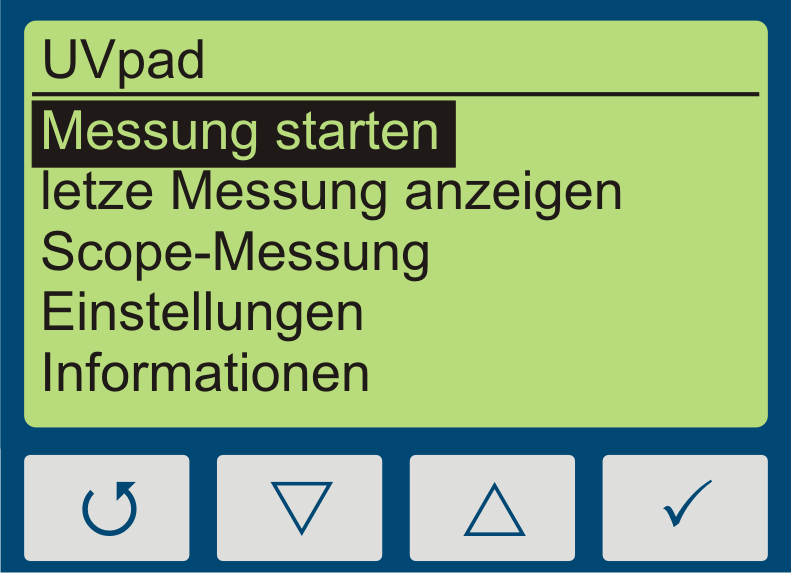
Rotate the housing, operate the display and try out the menu navigation – just like on the real device.
The UVpad can be viewed from all sides in the 3D product viewer – true to the original, generated from the CAD design data. If you like, switch the display on and click through the menu navigation, just as on the real device.
Technical data UV radiometer UVpad
| Spectral range | 200 - 440 nm ± 5 nm |
| Spectrale Bandwidth | 2 nm |
| Irradiance measurement range | 2 - 5000 mW/cm² |
| 25 - 35000 mW/cm² (Option) | |
| Dose measurement range | 1 mJ/cm² - 600 J/cm² |
| 25 mJ/cm² - 4200 J/cm² | |
| Calibration | traceable to PTB / NIST |
| Cosine correction | yes |
| Data storage rate | 100 Hz to 1 Hz, adjustable |
| Measurement time | 5 s to 8 min, depeding on |
| data storage rate | |
| Sampling rate | 10 ms - 1000 ms |
| Data storage rate | 100 Hz to 1 Hz, adjustable |
| Display | graphical, 128 x 64 px |
| Dimensions | 160 x 100 x 14,4 mm³ |
| Weight | ~ 375 g |
| Operation temperature | 10 -70 °C |
| Battery | internal LiIon accu |
| Memory | 50 measurements |
| Interface | USB |
| System requirements | Windows 10 or Windows 11, |
| 300 MB HDD, 1 GB RAM |
Used in these application fields
The UVpad measures where a sensor has to travel with the part or fit into a flat installation space: in the dose profile of a conveyor line in UV curing, at the joint in UV bonding, potting and encapsulation, in the cap tunnel of filling technology, on components in optics manufacturing and during post-curing in additive manufacturing.
Publications at a glance
Our spectral radiometers are used in research, development, and production.
A selection of scientific publications is available here.